- Savings

 SavingsSave regularly, from as little as £5 per month.
- Loans
 LoansHelping you by offering a range of loans for a variety of purposes, direct from your payroll.
- Mortgages
 MortgagesHelping the police family to get on and remain on the property ladder.
- Financial Wellbeing
 Financial WellbeingSome of our top tips to help you manage your money even better.
- Services and Support
 Services and SupportFind more information on the additional services or support we offer.
- About Us
 About UsFind out more about the biggest police credit union in the UK.
- Savings
- SavingsSave regularly, from as little as £5 per month.
- Loans
- LoansHelping you by offering a range of loans for a variety of purposes, direct from your payroll.
- Mortgages
- MortgagesHelping the police family to get on and remain on the property ladder.
- Financial Wellbeing
- Financial WellbeingSome of our top tips to help you manage your money even better.
- Services and Support
- Services and SupportFind more information on the additional services or support we offer.
- About Us
- About UsFind out more about the biggest police credit union in the UK.
Written by: Ben Kirkman
Category: Let's talk about money
Read Time: 4 minutes
Scams can take many forms, from fake delivery messages and investment offers to impersonation scams, where someone pretends to be from your bank, the police or another trusted organisation. Fraudsters are constantly changing their tactics, using new technology, realistic fake voices and personalised messages built from information gathered through your own online activity. As scams become harder to spot, understanding how they work and knowing what to look out for can help you stay one step ahead.
The latest UK Finance Annual Fraud Report shows that criminals stole £1.28 billion through payment fraud in 2025. However, there is encouraging news, with financial institutions continuing to invest in measures to detect and prevent fraud. In the same period, £1.68 billion in attempted fraud was prevented, meaning around 70p in every £1 that criminals tried to steal was stopped.
How fraudsters operate
Most scams are not random. They follow a small number of well-worn patterns, so learning to recognise those patterns is one of the most useful things you can do.
Take authorised push payment fraud, one of the fastest growing types. It tricks someone into transferring money themselves, usually because they believe they’re following genuine instructions from their bank, a government body, or someone they trust. For example, you might receive a text claiming to be from your bank saying there has been suspicious activity on your account and asking you to move your money to a ‘safe’ account. The message is fake, but if you follow the instructions and make the transfer, you could lose your money.
Investment scams work differently but cause some of the highest losses, with fraudsters building trust over time before pushing their target to invest quickly in cryptocurrency, property or other opportunities promising high or guaranteed returns.
Romance scams follow a similar pattern of trust building, though through an online relationship and emotional connection, before money is eventually requested. Purchase scams are simpler and more opportunistic, often starting on social media marketplaces where criminals advertise goods that don’t exist.
Despite their differences, these scams share the same underlying tactics. Fraudsters create urgency to stop you thinking things through. They ask for information that feels slightly unusual. They pretend to represent an organisation you trust, using personal details to make the approach feel genuine. And they encourage secrecy, discouraging you from checking with anyone else before you act. If you notice any one of these signs, that’s reason enough to pause.
What No1 CopperPot will never ask you to do
Knowing what we will and won’t ask you to do can help you feel confident when you’re contacted by No1 CopperPot. We will never ask you to:
- Move your money to an account outside the Credit Union
- Share your online password
- Provide sensitive information unexpectedly through a call, message or email, such as your National Insurance number
- To take urgent action without giving you the chance to verify the request
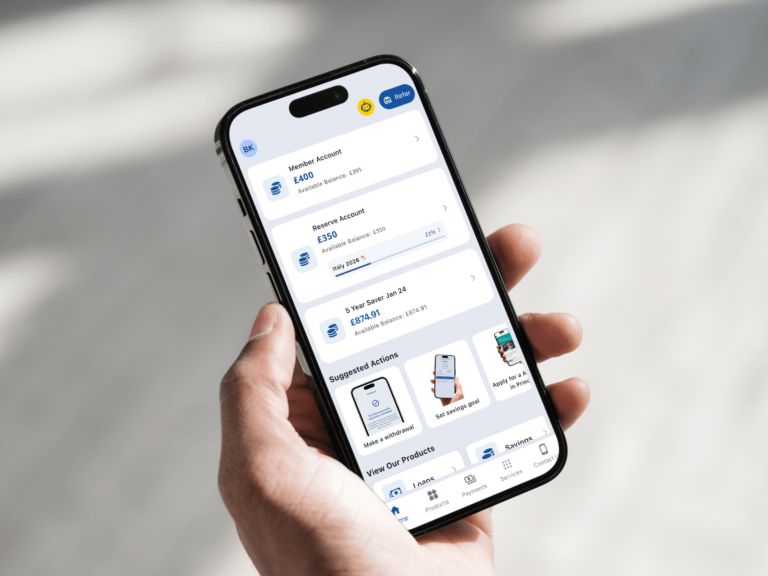
- Download another app to access your account. The official No1 CopperPot app, is the only app for managing your account. Click here to view the official app in your device’s app store.
As part of our security checks, we may ask you to confirm a one-time password sent to the registered device we have on file. This is an additional step to help verify your identity and keep your account secure when you contact us on 0161 741 3160.
If you ever receive a message or call claiming to be from No1 CopperPot and something doesn’t feel right, stop before taking any action. Contact us directly using the official details on our website or app to confirm whether the request is genuine.
Practical ways to protect yourself
Knowing the warning signs is one thing, but a few simple habits make them much easier to act on.
- Use two-factor authentication (2FA) where possible. 2FA adds an extra layer of security to your accounts by asking for a second form of verification, such as a code sent to your phone or generated by an authentication app. This can help protect your accounts even if someone gets hold of your password.
- Be cautious of unexpected requests. If a call, text or email makes you feel uncomfortable, stop the conversation and contact the organisation yourself using trusted details, not any number or link they’ve given you
- Check the sender carefully. Look closely at email addresses, phone numbers and website addresses. Small changes in spelling or unusual domains can be signs of a scam.
- Treat “guaranteed returns” with caution, especially offers shared on social media or by someone you’ve only met online
- Keep your software up to date. Install updates for your phone, computer, apps and antivirus software. Updates often include important security fixes.
- Use strong, unique passwords. Avoid using the same password across different accounts. A password manager can help you create and remember strong passwords.
Looking out for each other
As part of the police family, many of you will already be familiar with the tactics criminal’s use. Fraud can affect anyone, is ever changing, and the awareness you’ve built could genuinely help protect the people around you, especially as scams grow more convincing as technology improves.
Friends and family members who are less familiar with modern scams may not spot the warning signs as quickly as you would. Taking a moment to talk about fraud, and encouraging others to pause, question and verify unexpected requests, can make a real difference to someone close to you.
That spirit of looking out for one another is at the heart of being part of a member-owned credit union. Sharing what you know about fraud and helping others recognise the warning signs is one simple way we can all help keep the people around us safer.
If you’d like more guidance on staying safe from fraud visit the resources below:
- Visit the Friends Against Scams website
- Read the Friends Against Scams guide on how to avoid scams
- Find out what to do if you have been scammed via the Friends Against Scams
- Visit the National Cyber Security Centre’s top tips for staying safe online.
Subscribe to our monthly “Let’s talk about money” newsletters here! |

Slater House, Oakfield Road,
Cheadle Royal Business Park,
Cheshire, SK8 3GX
Cheadle Royal Business Park,
Cheshire, SK8 3GX



Stay in touch
Copyright © 2026 No1 CopperPot Credit Union
Number One Police Credit Union Limited trading as No1 CopperPot Credit Union is authorised by the Prudential Regulation Authority and regulated by the Financial Conduct Authority and the Prudential Regulation Authority. Firm Reference Number (FRN) 213301. For details visit http://www.fca.org.uk