- Savings

 SavingsSave regularly, from as little as £5 per month.
- Loans
 LoansHelping you by offering a range of loans for a variety of purposes, direct from your payroll.
- Mortgages
 MortgagesHelping the police family to get on and remain on the property ladder.
- Financial Wellbeing
 Financial WellbeingSome of our top tips to help you manage your money even better.
- Services and Support
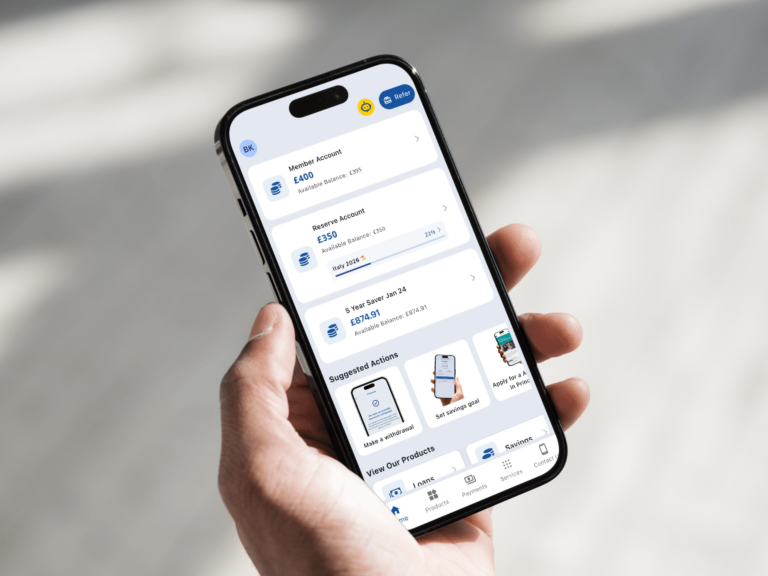 Services and SupportFind more information on the additional services or support we offer.
- About Us
 About UsFind out more about the biggest police credit union in the UK.
- Savings
- SavingsSave regularly, from as little as £5 per month.
- Loans
- LoansHelping you by offering a range of loans for a variety of purposes, direct from your payroll.
- Mortgages
- MortgagesHelping the police family to get on and remain on the property ladder.
- Financial Wellbeing
- Financial WellbeingSome of our top tips to help you manage your money even better.
- Services and Support
- Services and SupportFind more information on the additional services or support we offer.
- About Us
- About UsFind out more about the biggest police credit union in the UK.
Courier fraud: know the signs and how to protect yourself
For International Fraud Awareness Week, 15th to 21st November 2026, we’re taking a closer look at courier fraud and the warning signs to be aware of.
Courier fraud is a type of impersonation scam. Criminals pretend to be someone you trust, such as the police, your bank or even your credit union, to convince you to hand over money, bank cards or other valuables.
Led by the Association of Certified Fraud Examiners, International Fraud Awareness Week is an annual campaign helping to raise awareness of fraud and the ways we can recognise the warning signs.
What is courier fraud?
Courier fraud usually starts with an unexpected phone call from someone pretending to represent a trusted organisation, often the police or a financial services provider. The caller claims there is a problem with your account or that your money is connected to an investigation.
They may then arrange for someone to come to your home to collect your bank card, PIN, cash or other valuables.
Report Fraud says reports of courier fraud increased by almost 10% in 2025, with people aged 76 to 96 accounting for around 62% of all reports.
You can also find out more in Report Fraud’s guidance on courier fraud.
What to do if you think you’ve been targeted
If you think you’ve been targeted by courier fraud or another impersonation scam, stop and check. Acting quickly can help limit the impact.
- Contact your financial provider immediately. If you’ve moved money, shared card or security details, or handed over a bank card, contact the provider involved using the number on its website or on the back of your card. If money was transferred, contact the bank or provider it was sent from. If you’ve handed over or shared a bank card or its details, ask for the card to be cancelled.
- Report what’s happened. In England, Wales and Northern Ireland, contact Report Fraud (formerly Action Fraud) at reportfraud.police.uk or call 0300 123 2040. In Scotland, contact Police Scotland on 101.
- Get immediate help if you need it. If a crime is taking place or you feel in immediate danger, call 999.
- Talk to someone. Anyone can be targeted by a scam, and they’re deliberately designed to be convincing. Free and confidential support is available from Victim Support in England and Wales, Victim Support Scotland and Victim Support NI.
If you’re a No1 CopperPot member and you’ve shared personal details or moved money from your No1 CopperPot account, please call us on 0161 741 3160.
Read our guide to protecting yourself from scams
How do impersonation scams work?
Impersonation scams can take different forms, but criminals often follow a similar pattern. Understanding how they work can make the warning signs easier to spot.
1. The first call
Someone contacts you claiming to represent an organisation you trust, such as your bank, credit union or the police.
They might tell you there have been suspicious payments, your account is under investigation, or your personal information has been stolen. They may already know some details about you, which can make the call sound convincing.
2. Number spoofing: why the number on screen can look genuine
The number displayed on your phone may appear to belong to a genuine organisation.
This is known as number spoofing. Criminals can manipulate caller ID, so recognising the number on your screen does not prove who is calling.
3. The request for money or valuables
The caller may say your money is needed as part of an investigation or claim a member of staff is involved in fraud.
They could ask you to withdraw cash, buy valuable items or hand over your bank card and PIN.
A genuine financial provider or police officer will not ask you to withdraw cash or buy valuables to hand over for an investigation, or send a courier to collect your bank card, PIN, cash or valuables.
4. The call-back trick
If you become suspicious, the caller might suggest ending the call so you can check that they are genuine.
Criminals can sometimes keep a telephone line open, however. Where possible, use a different phone to make the call or wait at least five minutes before calling back.
Always find the organisation’s official contact details yourself rather than simply redialling the number that called you.
5. The collection
Someone may then arrive at your home to collect your card, cash or other valuables.
They may appear professional or carry identification, but this does not mean they are genuine.
Never hand over your bank card, PIN, cash or valuables to someone who arrives to collect them following an unexpected call.
What is a safe account scam?
Not every impersonation scam involves a courier.
In a safe account scam, a criminal may pretend to represent your bank or credit union and tell you your money is at risk. They could then persuade you to transfer it to another account to keep it “safe”.
That account belongs to the criminals.
Being asked to move money to another account to protect it is a clear warning sign. Stop and contact your financial services provider, using its official contact details, before taking any action.
What will a financial provider never ask you to do?
Knowing what genuine organisations won’t ask you to do can make suspicious requests easier to recognise.
Financial providers, including No1 CopperPot, will never ask you to:
- Transfer money to another account to keep it safe.
- Hand over your bank card or disclose your PIN or online banking passwords.
- Make an unusual payment or financial decision without giving you time to think or check independently.
- Install software or an app that lets someone remotely control your device or access your account on your behalf.
Not sure whether a call, text or email is really from us? Stop the conversation and contact us yourself using the official details on our website or app.
Talking to family and friends about impersonation scams
Impersonation scams can affect anyone, regardless of age. Talking about how these scams work can help family and friends recognise the warning signs and know what to do if something doesn’t feel right.
A few simple reminders can help:
- Don’t hand over valuables unexpectedly. Make sure family members know never to give bank cards, PINs, cash or other valuables to someone who arrives to collect them, even if that person has called ahead.
- Keep official numbers handy. Make sure everyone knows how to find the correct contact details for their financial provider or the police rather than relying on a number given to them by a caller.
- Stop and check first. Remind family and friends that it’s always OK to end an unexpected call. They can then contact the organisation independently or speak to someone they trust before making a financial decision.
Stop, check and report
This International Fraud Awareness Week, share what you’ve learned with family and friends.
If you receive an unexpected request involving your money, bank cards or personal details, stop before taking action. Check who you’re dealing with using contact details you’ve found independently and report suspected fraud.
Taking a few moments to check could help you, a friend or a family member spot a scam before money or valuables are handed over.
Frequently asked questions
What is courier fraud?
Courier fraud is a type of impersonation scam in which criminals try to persuade you to hand over your bank card, cash or valuables by pretending to represent a trusted organisation, such as the police or a financial provider.
How does courier fraud work?
It usually starts with an unexpected phone call about suspicious activity or an investigation. The caller tries to gain your trust, then asks you to withdraw money, hand over a bank card or buy valuables for later collection.
Can a scammer make a call look like it’s from an official organisation?
Yes. Criminals can use number spoofing to make a call appear to come from a genuine organisation. Recognising the number on your screen does not prove who is calling.
If you’re unsure, end the call and contact the organisation yourself using official contact details.
Who should courier fraud be reported to?
In England, Wales and Northern Ireland, report it to Report Fraud at reportfraud.police.uk or call 0300 123 2040.
In Scotland, contact Police Scotland on 101.
You should also contact the financial provider involved as soon as possible.
Do banks refund money lost to scams?
Whether money can be refunded depends on the circumstances, the type of payment and the rules that apply, not simply the provider’s discretion. Eligible UK bank transfers made through Faster Payments or CHAPS may qualify for mandatory reimbursement, subject to the scheme’s conditions and limits. These arrangements do not include credit unions and do not cover cash or card payments, although other protections may apply. Ask the provider involved to explain your options.
If you’ve lost money through fraud, contact your provider as soon as possible.
Important information
This article is for general information only. It explains common features of courier and impersonation scams and practical steps you can take if you think you’ve been targeted.

Slater House, Oakfield Road,
Cheadle Royal Business Park,
Cheshire, SK8 3GX
Cheadle Royal Business Park,
Cheshire, SK8 3GX



Stay in touch
Copyright © 2026 No1 CopperPot Credit Union
Number One Police Credit Union Limited trading as No1 CopperPot Credit Union is authorised by the Prudential Regulation Authority and regulated by the Financial Conduct Authority and the Prudential Regulation Authority. Firm Reference Number (FRN) 213301. For details visit http://www.fca.org.uk