- Savings
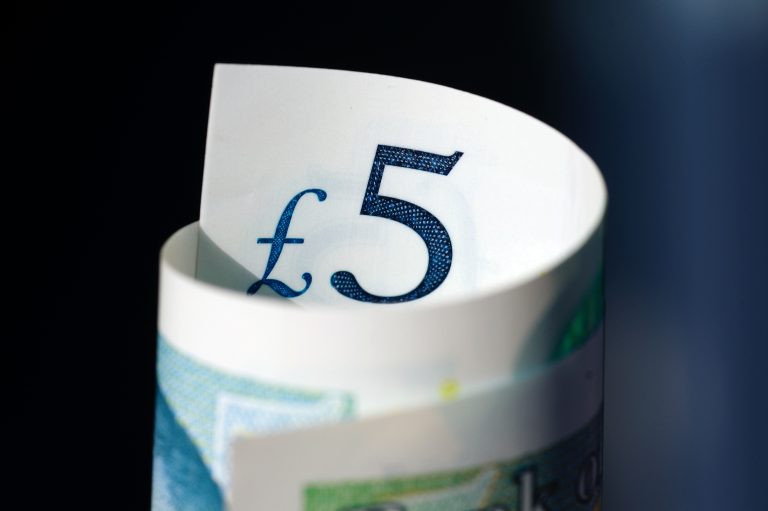
 SavingsSave regularly, from as little as £5 per month.
- Loans
 LoansHelping you by offering a range of loans for a variety of purposes, direct from your payroll.
- Mortgages
 MortgagesHelping the police family to get on and remain on the property ladder.
- Financial Wellbeing
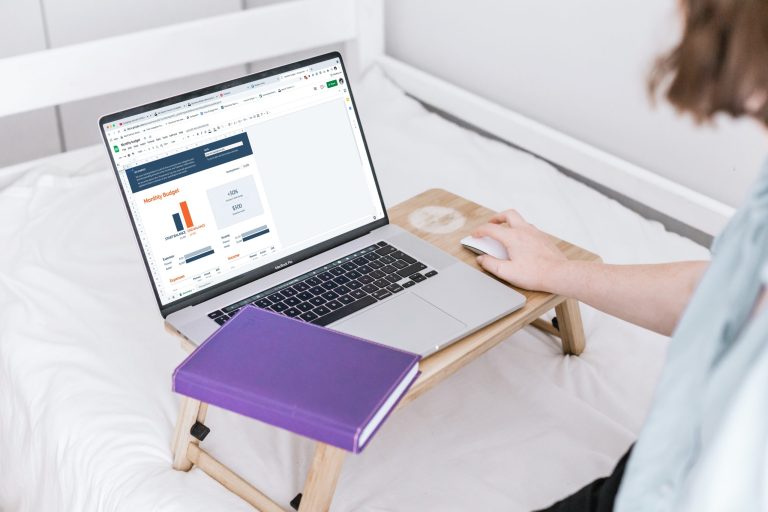 Financial WellbeingSome of our top tips to help you manage your money even better.
- Services and Support
 Services and SupportFind more information on the additional services or support we offer.
- About Us
 About UsFind out more about the biggest police credit union in the UK.
- Savings
- SavingsSave regularly, from as little as £5 per month.
- Loans
- LoansHelping you by offering a range of loans for a variety of purposes, direct from your payroll.
- Mortgages
- MortgagesHelping the police family to get on and remain on the property ladder.
- Financial Wellbeing
- Financial WellbeingSome of our top tips to help you manage your money even better.
- Services and Support
- Services and SupportFind more information on the additional services or support we offer.
- About Us
- About UsFind out more about the biggest police credit union in the UK.
Written by: Ben Kirkman
Category: Let's talk about money
Read Time: 10 minutes
Tax rules can feel confusing, especially when the terms can change from one financial year to the next. This guide explains the main tax allowances that affect your pay, savings and pension, and how it applies to you as a member of the police family.
As a member owned credit union, No1 CopperPot exists to help you make the most of what you earn. Understanding your tax and allowances is one of the simplest ways to keep more of your own money, whether you are serving, retired, or a family member of the police community.
Figures below are for the 2026/27 tax year, which runs from 6 April 2026 to 5 April 2027. Tax rules can change, and how they apply depends on your personal circumstances. This guide is for general information only and does not constitute financial or tax advice.
Your personal allowance
Everyone in the UK gets a Personal Allowance. This is the amount you can earn each year before you start paying Income Tax. For 2026/27, the Personal Allowance is £12,570. You can earn up to this amount and pay no Income Tax. The Personal Allowance has stayed the same since the 2021/22 tax year and is expected to remain frozen until at least 2028.
When tax thresholds stay the same but your pay increases, more of your income can become taxable. This is known as fiscal drag. For example, if you earn £49,000 a year and receive enough overtime or a pay rise to take your income to £52,000, you will have earned an extra £3,000.
Click here to learn more about fiscal drag.
Since the higher-rate tax threshold starts at £50,270, the £1,730 above that threshold would be taxed at the higher rate. You would not pay the higher rate on your whole salary, just the amount above the threshold. This means that as your pay increases, you may not take home the full amount of the increase after tax. The effect can be more noticeable if you regularly work overtime, receive allowances, or are close to a tax threshold.
If your total income goes above £100,000, your Personal Allowance starts shrinking. You lose £1 of allowance for every £2 you earn above that figure, until it disappears completely for those earning £125,140 and above. For example, if your total income is £110,000, you are £10,000 over the £100,000 threshold. You therefore would lose £5,000 of your Personal Allowance, reducing it from £12,570 to £7,570 meaning more of your income becomes taxable.
For more information about Personal Allowances and how they work, click here to visit the GOV.UK website.
Income Tax bands
Once your Personal Allowance is used up, the rest of your income is taxed in bands. The 2026/27 tax bands are:
- Basic rate (20%): on income from £12,570 up to £50,270
- Higher rate (40%): on income from £50,270 up to £125,140
- Additional rate (45%): on income above £125,140
Only the portion of your income within each band is taxed at that rate. Moving into a higher band does not mean all your income is taxed at the higher rate, only the amount above the threshold.
For example, if you earn £55,000, the first £12,570 is covered by your Personal Allowance and is not taxed. The next £37,700 is taxed at 20%, and the remaining £4,730 is taxed at 40%. So, earning £55,000 does not mean your whole salary is taxed at 40%.
If you serve with Police Scotland, different bands apply to your salary, as Scotland sets its own Income Tax rates. Savings interest and dividends are taxed using the UK-wide rates shown in this guide, wherever in the UK you live.
For more information about Income Tax rates and bands, click here to visit the GOV.UK website.
Tax on your savings interest
Alongside your Personal Allowance, there are two ways you may be able to earn savings interest without paying tax: the Starting Rate for Savings and the Personal Savings Allowance.
Starting rate for savings
If your total income from wages, pensions and other non-savings income is less than £17,570 in the 2026/27 tax year, you may be able to earn up to £5,000 of savings interest without paying tax. This is called the Starting Rate for Savings.
The full £5,000 starting rate is available if your other income is £12,570 or less. If your other income is between £12,570 and £17,570, the £5,000 starting rate is reduced by £1 for every £1 your other income is above your £12,570 Personal Allowance. If your other income is £17,570 or more, you do not qualify for the Starting Rate for Savings.
For example, if you earn £16,000 a year from your wages and receive £200 in savings interest, your £12,570 Personal Allowance is used against your wages. The remaining £3,430 of your wages reduces your £5,000 Starting Rate for Savings to £1,570. As your £200 savings interest is below £1,570, you would not pay tax on that interest.
This can be particularly relevant if you have a relatively low income from wages or a pension, as you may be able to earn savings interest without paying tax on it. The amount of interest you can earn tax-free depends on your other income.
Personal Savings Allowance
You may also have a Personal Savings Allowance, which allows you to earn a certain amount of savings interest without paying tax. How much you can earn tax-free depends on your Income Tax band. For 2026/27:
- Basic-rate taxpayers: up to £1,000 of savings interest tax-free
- Higher-rate taxpayers: up to £500 of savings interest tax-free
- Additional-rate taxpayers: £0, so there is no Personal Savings Allowance
For example, if you are a basic-rate taxpayer and receive £800 in savings interest during the 2026/27 tax year, you would not pay tax on that interest because it is within your £1,000 Personal Savings Allowance. If you instead earned £1,200, the first £1,000 is covered by your allowance, leaving £200 that may be taxable.
The Personal Savings Allowance applies to interest from savings accounts held outside an ISA, including some No1 CopperPot savings accounts such as our Notice Plus Account.
If you receive more savings interest than you can earn tax-free, you may have tax to pay on the amount above your available allowance.
For further information, click here.
Dividends and your No1 CopperPot savings
No1 CopperPot is owned by its members, rather than external shareholders. When we make a surplus, we can return this profit to our members in the form of an annual dividend.
Unlike interest, which is usually paid by a bank for keeping your money in an account, a credit union dividend is a share of the credit union’s available surplus paid to members.We calculate dividends using your account balance at the close of business each day. This means the amount you have saved each day is considered when calculating your dividend.
For tax purposes, dividends paid on your No1 CopperPot savings are treated as savings income, in the same way as interest. This means they can count towards your Starting Rate for Savings or Personal Savings Allowance.
For example, if you receive £800 in dividends from your No1 CopperPot savings and have enough of your £1,000 Personal Savings Allowance available, you will not pay tax on that £800.
Dividends from company shares are different. For 2026/27, you can receive up to £500 in dividends from company shares before paying tax on them. Dividends from shares held in an ISA are tax-free.
For more information about tax on savings interest and dividends, click here to visit the GOV.UK website.
Your ISA allowance
An ISA, or Individual Savings Account, lets you save or invest without paying tax on the interest, dividends or growth inside it. If you complete a tax return, you do not need to declare any ISA interest, income or capital gains on it.
For 2026/27, you can pay up to £20,000 into ISAs. This is a total limit across all the ISAs you hold, not a separate £20,000 for each one.
A change is coming for Cash ISAs. From 6 April 2027, the amount under 65s can pay into a Cash ISA each year is due to reduce to £12,000, while the overall £20,000 ISA limit stays the same. If you are under 65 and want to make full use of your Cash ISA allowance, 2026/27 might be a good year to do it.
For further information on the different types of ISA, click here to visit our guide to understanding ISAs.
Your pension annual allowance
Your pension is one of the most valuable benefits you build up over your career, and it also comes with its own allowance.
For 2026/27, the pension annual allowance is £60,000. This is the total amount that can be paid into your pension in a year, combining contributions from you, from your employer and from anyone else, while still qualifying for tax relief.
You can choose to put up to 100% of your relevant UK earnings into a pension, subject to the £60,000 annual allowance. For example, if you earn £40,000, you could potentially pay £40,000 of your earnings into a pension and receive tax relief on those contributions. Your employer’s contributions would also count towards the £60,000 annual allowance.
For more information about the pension annual allowance, click here to visit the GOV.UK website.
Money Purchase Annual Allowance
If you have a defined contribution pension, there is a limit on how much you can continue paying into these pensions once you have started taking money from one of them in certain ways.
A defined contribution pension is a pension where you and/or your employer pay money into a pension pot, which is then used to provide you with an income in retirement. This could include a personal pension or a workplace pension.
If you start taking money from your pension pot while leaving some of your savings invested, you may trigger the Money Purchase Annual Allowance (MPAA). This means there is a lower limit on how much you can pay into defined contribution pensions and still receive tax relief on those contributions.
For 2026/27, the MPAA is £10,000 a year. If the MPAA applies to you, you can generally pay up to £10,000 into defined contribution pensions in a tax year and receive tax relief on those contributions.
The MPAA does not apply simply because you have started receiving a pension. It only applies in certain circumstances where you have accessed a defined contribution pension, so whether it affects you will depend on how you have taken money from your pension.
If you’re unsure whether the MPAA applies to you, or whether taking money from your pension has triggered it, check with your pension provider.
For more information about the Money Purchase Annual Allowance, click here to visit the GOV.UK website.
Trading allowance for self-employment and casual income
If you earn extra income outside your main job or pension, you may be able to earn up to £1,000 a year before you need to pay tax or tell HMRC about it. This could include income from self-employment, casual work, selling services or hiring out personal equipment. This is called the trading allowance.
The £1,000 limit is based on your gross income, which means the total amount you receive before taking off any expenses. If your gross income from this type of work is £1,000 or less in a tax year, you usually do not need to tell HMRC or complete a tax return. If your gross income is more than £1,000, you will usually need to register for Self-Assessment and tell HMRC about your income.
For example, if you earn £800 during the tax year from self-employment, your income falls below the £1,000 trading allowance. You therefore would not usually need to register for Self-Assessment.
For more information about the trading allowance, click here to visit the GOV.UK website.
Property allowance for rental income
If you earn income from renting out a property, you may be able to earn up to £1,000 a year tax-free. This is called the property allowance.
If your gross rental income is £1,000 or less in a tax year, you will not usually need to tell HMRC. If it is higher, you will need to declare it.
This allowance does not apply if you let a room in your own home under the Rent a Room Scheme, which has its own separate rules and a higher tax-free limit.
For more information about the property allowance, click here to visit the GOV.UK website.
Marriage Allowance
If you are married or in a civil partnership, this is one of the simplest ways to reduce your household’s tax bill.
If one of you earns less than the Personal Allowance of £12,570, and the other is a basic rate taxpayer, the lower earner can transfer £1,260 of their unused Personal Allowance to their partner. This reduces the higher earner’s tax bill by up to £252 a year.
For example, if one partner earns £10,000 a year and the other earns £30,000, the partner earning £10,000 could transfer £1,260 of their unused Personal Allowance. The partner earning £30,000 would then pay around £252 less in Income Tax over the year.
This is especially worth checking for:
- Retired members, where one partner has income from only a State Pension below £12,570 and the other has a workplace or police pension that takes them into basic rate tax
- Members on career breaks or reduced hours, for example following maternity, paternity or a period of caring, where one partner’s income has temporarily dropped below the Personal Allowance
- Family members of officers and staff who are not currently working, or who work part time for low pay
You can also claim for previous tax years if you met the Marriage Allowance rules but did not make a claim at the time. You can currently claim for up to four previous tax years. For example, if one partner earned less than the Personal Allowance and the other was a basic-rate taxpayer during those years, you may be able to claim the tax savings you missed and receive a refund.
Claims are made free of charge through GOV.UK. The lower earner applies, and HMRC adjusts the higher earner’s tax code. There is no cost or risk to applying, and the whole process takes around ten minutes to complete.
For more information and to check whether you can claim Marriage Allowance, click here to visit the GOV.UK website.
Ways to reduce what you pay in tax
Beyond schemes such as Marriage Allowance, there are several straightforward, entirely legal ways to make sure you are not paying more tax than you need to.
- Share your ISA allowance as a couple. Each adult currently has their own £20,000 ISA allowance. If you are married or in a civil partnership, that means a couple can shelter up to £40,000 a year between you, tax free. If one of you has not used your allowance, it is worth considering before the tax year ends on 5 April, as any unused allowance cannot be carried forward.
- Split savings between partners. If one partner has used up their Personal Savings Allowance and the other has not, moving savings into the lower earning partner’s name, or holding them jointly, can mean more of your combined interest is earned tax free. Married couples and civil partners can potentially shelter up to £2,000 of interest between them each year this way.
- Increase your pension contributions. Money paid into your pension, whether through your police pension scheme or an additional personal pension, reduces your taxable income for the year. This is particularly valuable if your income sits between £100,000 and £125,140, where the tapering of the Personal Allowance creates an effective tax rate of 60% on that portion of income. If this applies to you, it is worth speaking to an independent financial adviser about the best approach for your circumstances.
- Use your trading or property allowance. If you have small amounts of self-employment, casual work, or rental income, the £1,000 trading and property allowances mean this income can often be earned tax free, without the need to complete a tax return.
- Use your Capital Gains Tax allowance. If you hold investments outside an ISA or pension, you can make gains of up to £3,000 in a tax year without paying Capital Gains Tax. This resets every year and cannot be carried forward, so it is worth reviewing before the tax year ends if you are thinking of selling any investments.
- Check your tax code. Your tax code determines how much tax is taken from your pay each month. It is worth checking yours is correct, particularly after a change in circumstances such as a new role, additional allowances, or a change in benefits. An incorrect tax code could mean you are paying more tax than you should.
Why this matters for the police family
Understanding your allowances is not about complicated financial planning. It is about making sure you are not paying more tax than you need to, and that your savings and pension are working as hard as possible for you and your family.
As a not for profit, member-owned credit union, No1 CopperPot exists purely to support the police family, not to generate profit for shareholders. Every saving you make with us, and every product you use, is designed with your interests at the centre. Ownership matters to us, and it is why we have supported the police family since 1986.
If you have questions about how tax allowances might apply to your own circumstances, we always recommend speaking to HMRC directly or seeking independent financial advice. Rules can vary depending on your individual situation, and we want you to have the confidence that comes from accurate, personalised guidance.
Subscribe to our monthly “Let’s talk about money” newsletters here! |

Slater House, Oakfield Road,
Cheadle Royal Business Park,
Cheshire, SK8 3GX
Cheadle Royal Business Park,
Cheshire, SK8 3GX




Stay in touch
Copyright © 2026 No1 CopperPot Credit Union
Number One Police Credit Union Limited trading as No1 CopperPot Credit Union is authorised by the Prudential Regulation Authority and regulated by the Financial Conduct Authority and the Prudential Regulation Authority. Firm Reference Number (FRN) 213301. For details visit http://www.fca.org.uk